


.png)
╳

Little Guide’s Map
Bangka Old Street
Explore with the Little Guide
Discover surprises in every corner
Let you become Wanhua's most knowledgeable commentator

.jpg)
Strolling route
Station 1
Bangka Qingshui Temple

Qingshuiyan Temple is dedicated to Qingshui Zushi, known locally as the “Losing-Nose Zushi.” Destroyed during the Ding-Xiajiao feud, it was later rebuilt with two halls and is now a designated municipal historic site.

Food along the way
A-PO Rice Noodles
This 70-year-old rice vermicelli shop is a lunchtime favorite among locals. Stop by for a taste of traditional Taiwanese flavors!

Mission
Secret Stairwell
The church caretaker share more in-depth historical stories with visitors ......

Food along the way
HSIEH HSING EGG
HSIEH HSING EGG Shop is known for both fresh eggs and popular seasonal egg yolk pastries.

Mission
The Market’s NPC
You might run into Sister Gui-xiang, head of the market association. Chat with her to hear about the market’s changes and activities—and you might even get a little souvenir!
_edited_edited.jpg)
Station 5
Monga Roundabout
Once the lively heart of old Monga, this area grew around Monga Fude Temple and its food stalls. A few long-standing eateries still remain today.

Station 6
Chaobei Hospital
Chaobei Hospital, founded by Dr. Lee Chao-bei, was one of Taipei’s best-known hospitals. Today, its beautiful Baroque architecture remains a key highlight.

Food along the way
MAY SHOW CAFE
Usually open only on the 10th, 20th, and 30th, this hidden café offers a relaxing escape inside a historic building.

Station 8
Monga Xie Residence
Mission
The rear hall
Young guides and members of the public take on the location-based puzzle game “Taipei’s First Street” along the way, stopping at the open space behind the main hall of Qingshui Temple to ask the “Water Pillar” deity for help!
_edited.jpg)
Station 2
Bangka Church
The mission station established by Reverend George Leslie Mackay in Bangka has been relocated, demolished, and rebuilt several times. The church’s magnificent pipe organ leads worshippers closer to God through music and is also used for recordings and concerts.

Station 3
Cihui Hospital
Cihui Hospital, founded by Dr. Wang Shih-yu, was later left vacant after his wartime death. His grandson, Wang Pei-chung, helped preserve it by securing its historic building status.

Station 4
Zhixing Market
Originally known as Irifune Market, this historic market dates back to the Japanese colonial period. Though its wooden structure was lost to fire, its strong community spirit continues through local cultural events.
Food along the way
Yuanwei Fish Ball Shop & Haixianwei Sashimi Sushi
Yuanwei’s freshly made tianbula, with its savory miso flavor and chewy texture, is a family favorite. At night, the market’s popular sushi shop draws crowds with its fresh ingredients.
Food along the way
Liangfen Bo &
Dongshishun Oyster Omelet
With over 60 years of history, Liangfen Bo is known for its sweet potato starch jelly with miancha powder. Nearby, Dongshishun is a local favorite for seafood congee.
Mission
The Lantern Code at
Qingshan Temple
The street in front of Qingshan Temple was once known as Fanshu Market Street. Beneath the colorful lanterns by the “Taipei’s First Street” archway lies a hidden puzzle code. Can you crack it?
Station 7
Monga Fude Temple
Monga’s oldest Fude Temple is dedicated to the Earth God and Goddess. Originally located at Monga Roundabout, it was later relocated to Changsha Park due to road expansion. Visitors are always warmly welcome to stop by.
_edited.jpg)


_edited.jpg)
_edited.jpg)
The final stop is the Monga Xie Residence, originally built by the Ouyang family, who ran a shipping business. It was later sold to Xie Xizhen, who once operated it as the Starlight Inn. To honor his promise to preserve the house, Xie eventually donated it to the city. Today, it is a designated municipal historic site protected by a steel canopy.
Food along the way
Lao Ji An Healing Herbar
After the tour, stop by Lao Ji An, a traditional herbal tea shop nearby. Choose from a variety of herbal teas, or cool down with a refreshing herbal jelly dessert.


Expert : Jason Wu
Cultural and artistic worker, Master of Law from National Chengchi University. Currently the director of Wu Jinjing, Wanhua District Sacrifice Public Enterprise, Taipei City, the person in charge of Erliangliu Pig Cake Cultural Museum, the special assistant of Taipei Entrepreneurs Elite Association, and the guest lecturer of Travel and Reading China Magazine. ‧ Local experience and historical inheritance For Wu Zanxuan, Monga is not only a stage for life, but also a place of belonging in the depths of his soul. Wu Tingbao, the ancestor of the Wu family, crossed the sea to Taiwan in the 43rd year of Qianlong (1778) and founded the ship head trading company "Wu Yuanji". This move made the Wu family a representative family in Monga in the Qing Dynasty, and they have been rooted here for nine generations. The street texture of Monga tells the history and cultural features of this land, as if every brick and tile is telling a story of the past. In 2017, Wu Zanxuan founded the "Monga Cultural Studio" with like-minded partners. From the initial cultural and historical exchange group, it has developed into a center for cultural activities, carrying out countless cultural walks, cultural curation, neighborhood reconstruction and elder interviews, etc., excavating and sharing the little-known cultural stories of Monga, allowing history and modernity to interweave here. ‧Expertise and Contribution Wu Zanxuan specializes in the history of Monga neighborhoods, the history of Monga boat trips, the history of interactions between important figures in Monga, and the research of Minnan and Lingnan culture. His works are often seen in "Travel Reading Magazine" and platforms related to issues related to his hometown Quanzhou. He deeply explores the exchange relationship between Monga and his hometown Quanzhou in various fields, and has made great contributions to Monga studies and Taipei studies. ‧Main activities 1. Street tours: One hundred guided tours of Ximen and Monga are held every year, leading tourists through time and feeling the historical pulse of the neighborhoods. 2. Community University Courses: Serving as a teacher for the Wanhua Community University academic year course, inspiring more people to understand and care about local culture. 3. Street management: Quarterly interviews and sharing sessions with seniors to ensure that the voice of history is not forgotten. 4. Neighborhood activities: Organize activities such as the Monga Cultural Stamp Collection to allow more people to participate in the inheritance of culture in a novel and interesting interactive form. 5. Neighborhood connection: Plan and transform temple activities, such as the 200th anniversary of Longjin Temple and the 100th anniversary of Zhenwu Temple, so that traditional culture can shine again in modern society. 6. Neighborhood research: Publish Monga research books and cultural research cases to provide valuable data and insights for the academic community. 7. Foreign exchanges: Participate in discussions and exchanges on native culture and exchanges on Japanese experience to expand international horizons and promote cultural interactions.


Highlights

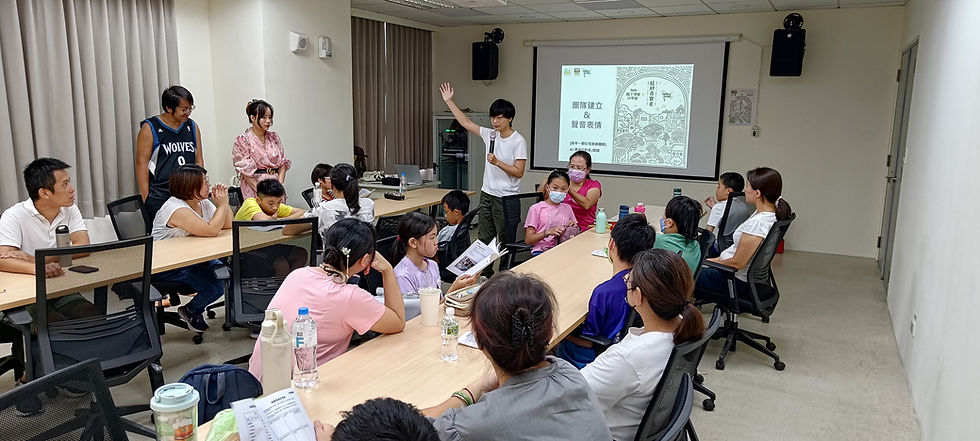
認識解說員的角色與任務,並練習口語表達及聲音表情。
認識解說員的角色與任務,並練習口語表達及聲音表情。
Oral and Body Expression (I)
Explanation? Guiding? What are the differences? What are the conditions for a meaningful explanation? What knowledge should a qualified commentator have? Through interesting exercises, you can learn various ways to practice oral expression, learn how to use voice expressions, and begin to explore your own commentary characteristics and style.

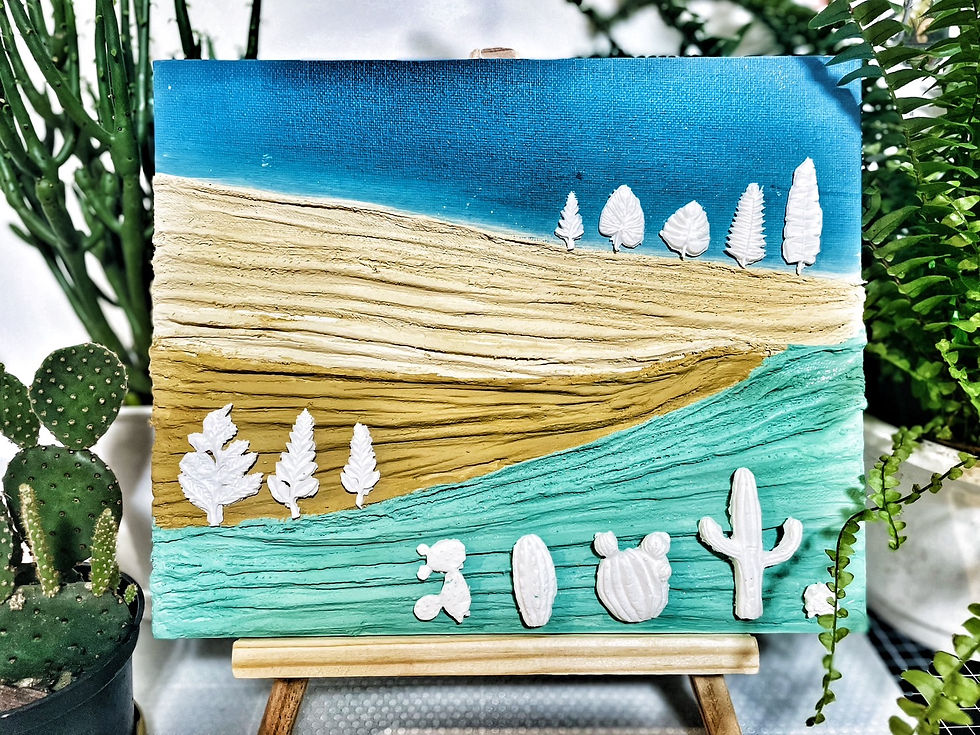
Plaster bandage texture painting
#Cihui Hospital, Chaobei Hospital
Plaster bandages were originally medical supplies used when limbs need to be fixed, but because of their lightness, softness, and good plasticity, they have become a medium for art creation. The second handcraft class will lead students to use "plaster bandages" and light clay, with scrapers, brushes and paints, to complete three-dimensional art works with the theme of nature in an interesting parent-child creation.
(This class is from 15:30 to 17:30)
8/24
9/28


Explanation Skills (I)
This class will be taught indoors. Teacher Wu Zanxuan will lead everyone to understand the overall development context of the interpretation route stations, how to lead the way to visit the neighborhoods to explore local stories, and discover personal connections from them.


Leather craft - shaping a small dinosaur
#Xieji Pharmacy
Traditional Chinese medicine is one of the oldest cultures and medicines in the world. Dinosaurs first appeared 230 million years ago and are the most successful animal group. The first handcrafting class will lead students to use "leather" to shape and make this creature that spans the history of the earth, draw and cut its animal outline, and use coloring techniques and leather shaping to complete a cute little dinosaur that is vivid and three-dimensional.

認識解說員的角色與任務。

練習口語表達及聲音表情。

練習口語表達及聲音表情。
認識解說員的角色與任務。
Oral and Body Expression (II)
What are the different needs of commentators for audiences of different ages and backgrounds? Know yourself and your audience. Before you start commentating, you should first understand your audience. Appropriate commentary language can greatly enhance your commentary! Oral expression, vocal expressions, and rich and interesting body language can create your own commentary characteristics and style.


Leather Handmade - Hand-dyed Amulet Bag
# BangkaFude Temple
The God of Land, also known as the God of Fortune, is one of the most commonly worshipped gods in Taiwanese folk beliefs. The peace amulet bag can be used to carry amulets, just like the incense bag. In the third handcraft class, students will be guided to use "leather" materials, sew them by hand with needle and thread, and then complete them with hand-dying, writing, painting, and hot stamping. Finally, tie a peace knot, carry the peace amulet with you, and carry the token of faith protection, love, and blessing.
(This class is from 15:30 to 17:30)
10/26
11/30


Market Design Workshop
#Zhixing Market
Do you often go to the market with your family? Do you like the market near your home? There are many markets in Wanhua, where we are located. These markets not only provide fresh fruits, vegetables and meat to meet the needs of residents, but are also a good place for neighbors to gather and spend time. Through the guided tour and introduction of the local history reading, participants can get to know the historic Zhixing Market, and through observation, discussion, imagination, design and implementation, they can create their own ideal market model.

Explanation Skills (II)
After the hands-on class, Teacher Wu will take everyone to the outdoor Monga Old Street to gain a deeper understanding of the key interpretation points in the street, as well as its local stories, and to recognize the cultural characteristics of the street shaped by the lives of the people from ancient times to the present.


Explanation Skills (III)
After experiencing the aesthetics of the tea ceremony, Teacher Wu took the class outdoors again, leading the students to practice storytelling skills. Through guidance, he allowed everyone to recognize their personal characteristics and strengths, and thereby learn and cultivate personal tour guide charm skills.
12/28
1/18
2025


Guided tours performances
A small check-off of what you have learned in the first 5 classes! Assign interpretation points in advance, make or prepare interpretation props and teaching materials, and work together in groups to complete an interpretation route performance.
feat. 東明社宅

feat. 東明社宅
feat. 東明社宅
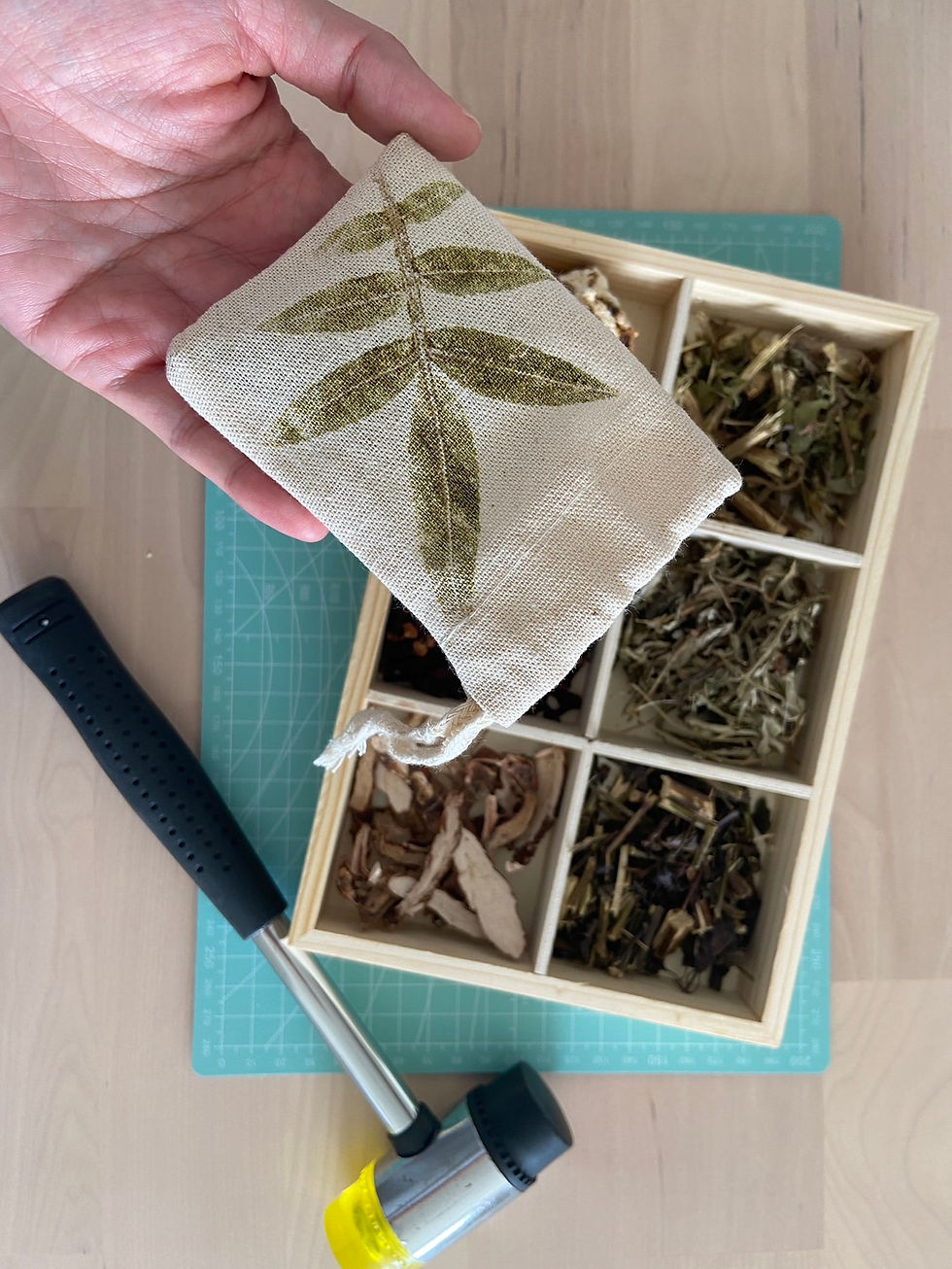
Handmade plant-dyed spices
(The main hall handmade work will be postponed to 6/28)
#LaoJian
Have you ever carefully observed the colors of plants? Have you ever smelled their scents? This activity will allow you to touch the plants, appreciate their fragrance with your nose, and make a unique sachet by yourself.

2025 WanhuaLittle Guide Leads the Way
6/28
Final training
Conduct annual course review and self-reflection through team exploration activities, and set task goals and personal expectations for the next year.


